Prison tattooing
Prison tattooing: where there are no machines, no ink, and no permission
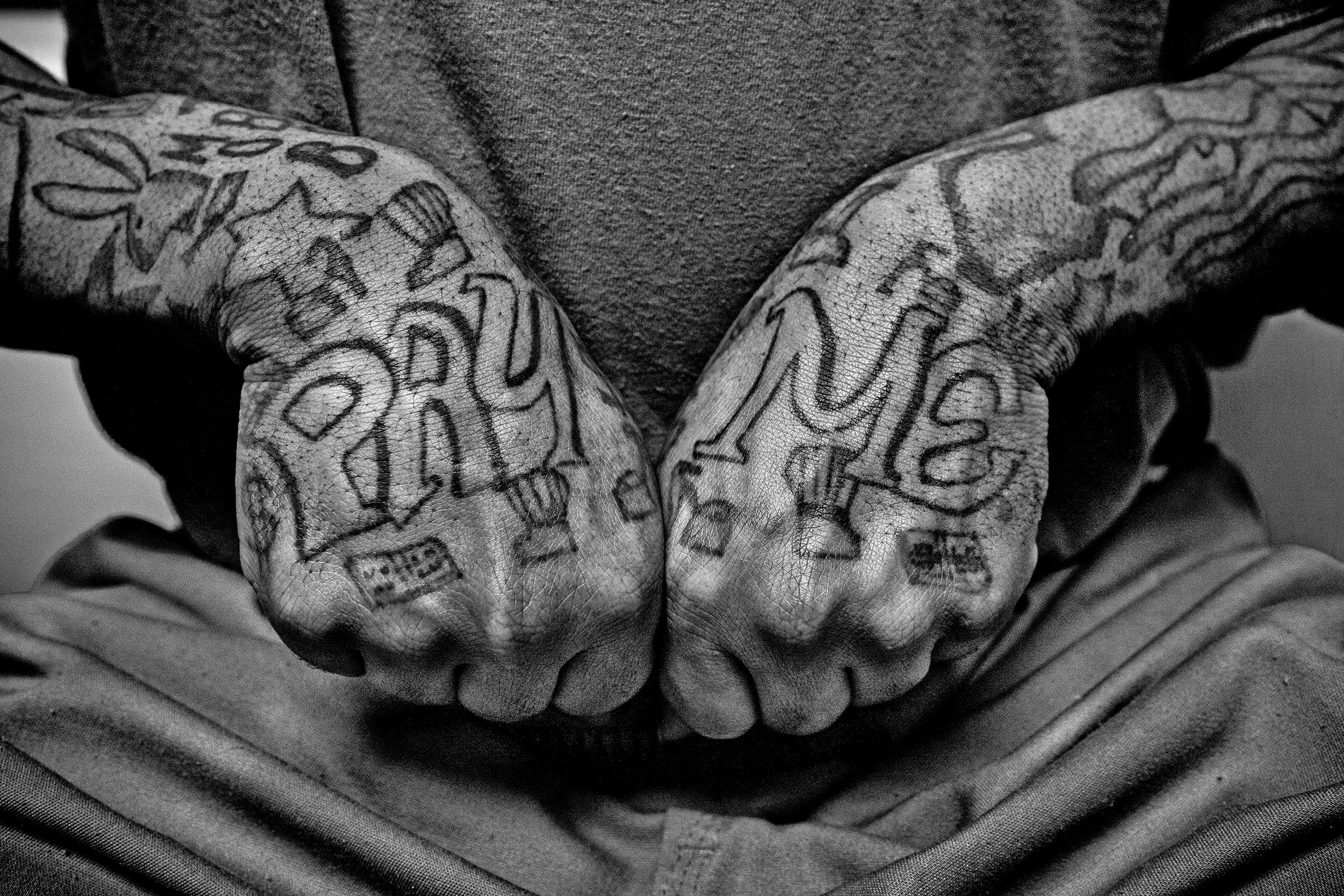
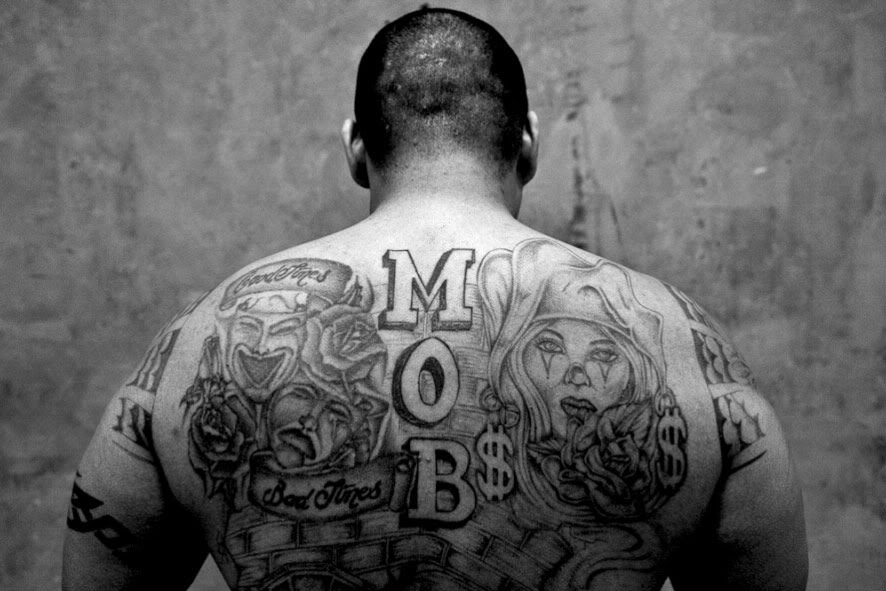
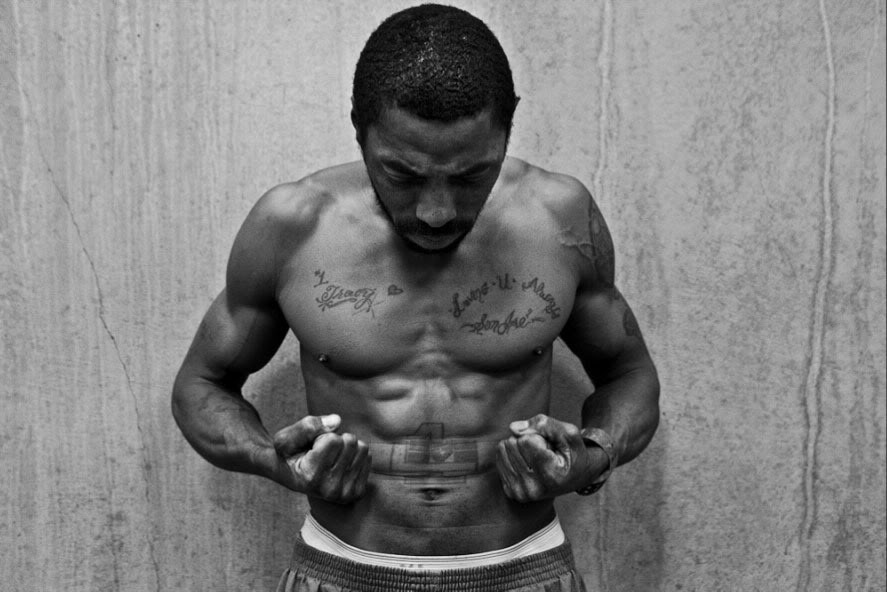
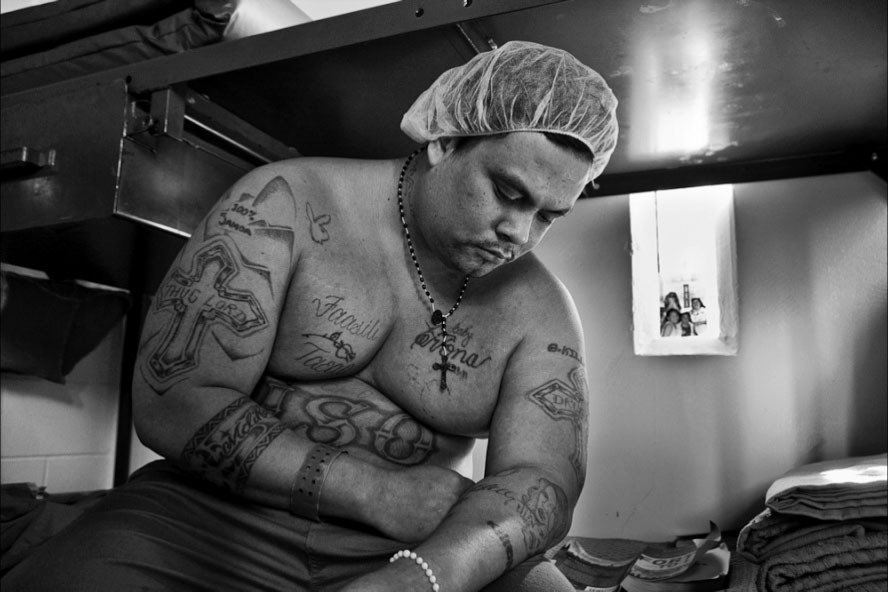
Prison tattooing exists wherever incarceration exists. It has been documented in the United States, Russia, the United Kingdom, Ireland, Japan, Mexico, Central America, Southeast Asia, Australia, and across Europe, Africa, and South America. The specifics vary — the tools are improvised from whatever the institution contains, the iconography reflects the culture of the population, and the social functions are shaped by the power structures within the facility — but the fundamental dynamic is universal: people who are confined, stripped of property and autonomy, and placed within rigid social hierarchies use tattooing to assert identity, to communicate status, to record their history, and to mark their place in a system that exists beneath and alongside the official institutional order.
The tools
Machine
The power source is usually a battery — removed from a radio, a flashlight, or a game controller — or, in facilities with accessible outlets, a power adapter. Some machines are wired directly to wall outlets through stripped power cords. The connection between the motor and the power source is made with wire scavenged from headphone cables, speaker cords, or institutional electronics.
The needle is made from a guitar string (the most prized material, for its consistent diameter and stiffness), a staple, a paperclip, a sewing needle, or — in the most improvised setups — a sharpened piece of wire. Guitar strings are preferred because their gauge is consistent and their stiffness allows for clean puncture. The needle is attached to the motor’s drive mechanism so that it reciprocates through a tube (typically a pen casing with its tip cut off) in the same manner as a needle in a commercial tattoo machine.
The result is a functioning rotary tattoo machine — crude, loud, and difficult to control compared to professional equipment, but capable of depositing ink in the dermis at a rate fast enough to produce lines, fills, and tonal work. The machines are called “guns,” “ringers,” “rigs,” or simply “machines”, depending on the facility and the region.
The machines are contraband. Possession is a violation of institutional rules that can result in disciplinary action— such as loss of privileges, solitary confinement, or other sanctions. The machines are hidden, passed between inmates, and rebuilt when confiscated. Some machine builders develop reputations within a facility as skilled engineers, and their services are compensated in the prison economy (commissary items, phone time, drugs, cash transferred through outside channels, or favours).
Handpoke
Not all prison tattooing uses machines. Hand-poke — a single needle pushed into the skin by hand, one puncture at a time — is the simplest method and the one most commonly used in facilities where electric motors are unavailable or where machine noise would attract attention. A sewing needle attached to the end of a pencil or a toothbrush with thread or tape, dipped in ink and pushed into the skin, is the most basic prison tattoo setup. It requires nothing electrical and is nearly silent.
The Chicano single-needle tradition that developed in California prisons from the 1940s onward used both methods — handpoke for its silence and simplicity, and improvised rotary machines for their speed. Both produced the same aesthetic: fine lines, detailed shading built from diluted ink, small-scale portraiture and lettering in a black-and-grey palette.
The technique’s visual character — its fineness, its tonal range, its photographic quality — was shaped by the constraints of the prison environment: the single needle was used because it was available, and the black-and-grey palette was used because coloured inks were not available.
When Jack Rudy and Charlie Cartwright professionalised the technique at Good Time Charlie’s in East Los Angeles from 1975, they were translating both the handpoke and the improvised-machine versions into professional equipment.
Ink
Improvised tattoo ink is made from whatever produces a stable pigment that can be suspended in liquid and deposited under the skin.
Soot-based ink. The most common and most traditional method. Soot from a flame — a burning cotton ball, a piece of paper, a plastic bag, a Styrofoam cup, or a candle — is collected on a smooth surface (a plate, a mirror, a piece of glass) held above the flame. The soot is scraped off and mixed with water, shampoo, or hand lotion to produce a black liquid that can be used as tattoo ink. The quality varies depending on the carbon source and the mixture’s consistency. Soot from burning baby oil or petroleum jelly produces a finer, more consistent pigment than soot from burning plastic (which can contain toxic compounds).
Pen ink — Ink from ballpoint pens extracted by removing the cartridge and collecting the ink, or by soaking the ink-soaked felt of a felt-tip marker in water, is used as a ready-made pigment. Pen ink is not formulated for injection into the skin and carries risks of allergic reaction and toxicity, but it is widely used because it is readily available.
Melted plastic — styrofoam or other plastic materials are burned, and the resulting carbon residue is collected and mixed with liquid. This method produces toxic byproducts and is the most hazardous ink-making technique in common use.
Other sources — ash from cigarettes, carbon from burned rubber, and pigment scraped from chess pieces or coloured pencils have all been documented as ink sources.
The California prison system and the Chicano tradition
The Chicano inmates of California’s prisons — particularly at Folsom, San Quentin, and other major facilities — developed a tattoo aesthetic and technique distinct from the traditional American tattooing done in shops on the outside. The key features were:
Single-needle technique. A single needle — improvised from a guitar string or a sewing needle — produced finer lines and allowed for more detailed work at small scale than the multi-needle configurations used in commercial shops.
Black-and-grey palette. Black ink only — because coloured inks were not available inside. The tonal range was built by diluting black ink with water to produce greywash — a technique that enabled smooth gradients, realistic shadow rendering, and a photographic quality no existing commercial tattoo technique could match.
Specific subjects. Religious imagery (Christ, the Virgin of Guadalupe, praying hands, saints, crosses), portraits of women (girlfriends, wives, mothers — rendered with the same tonal subtlety as the religious subjects), Aztec imagery, lowrider cars, charra (Mexican cowgirl) figures, skulls, and elaborate calligraphic lettering. The lettering — Old English, Chicano script, and other calligraphic forms — was often the most prominent element, spelling out names, place names, gang affiliations, and phrases in Spanish and English.
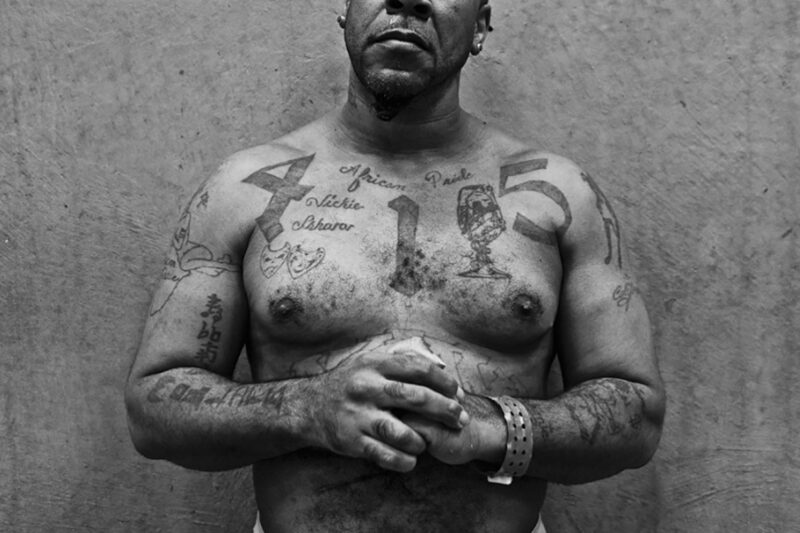
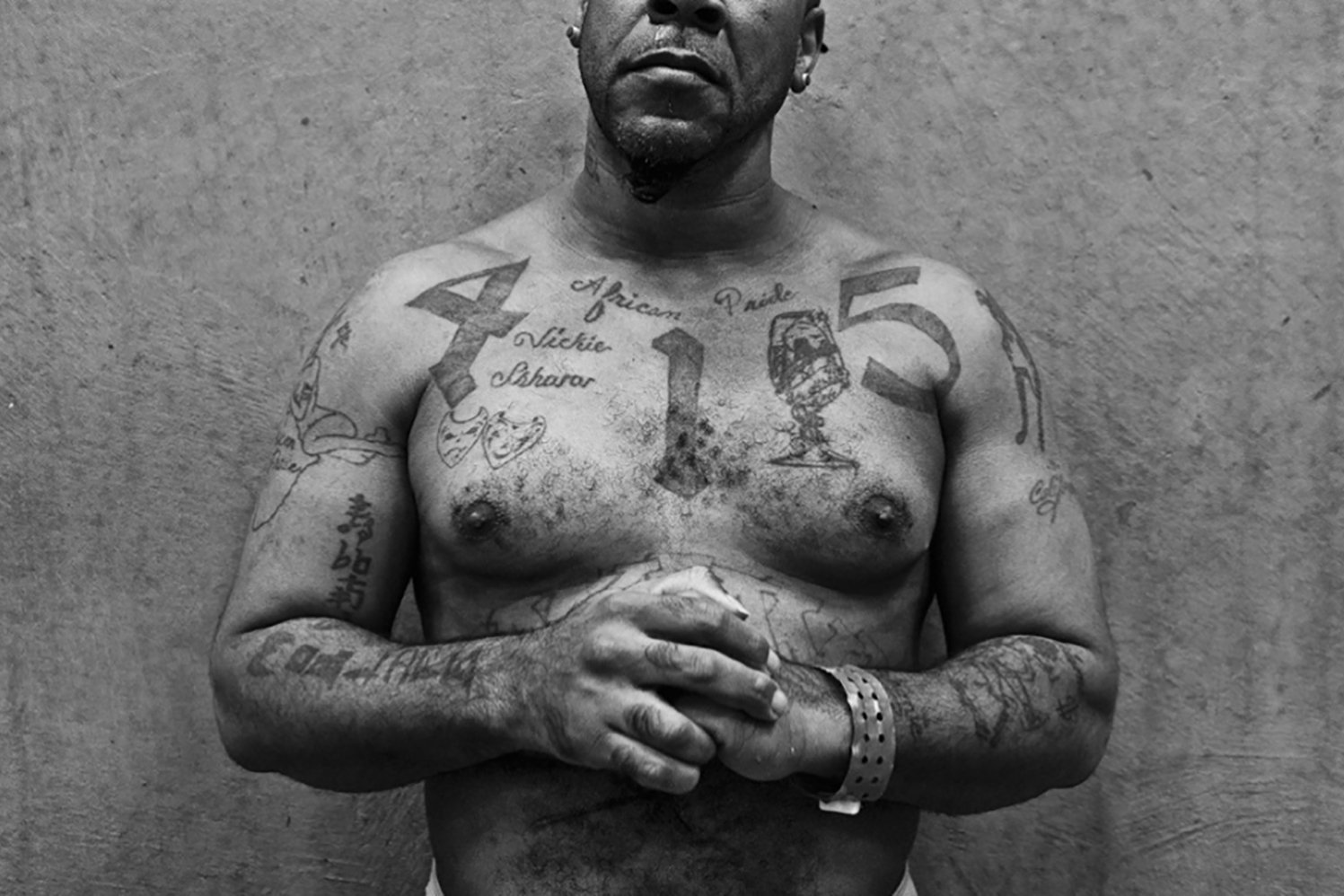
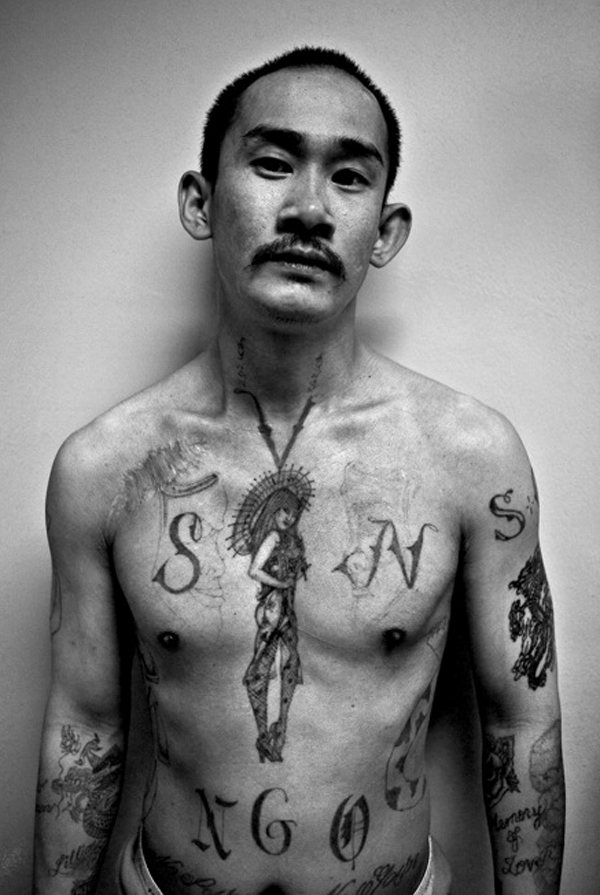
Gang identification. Specific tattoos identified the wearer’s gang affiliation. The numbers 13 (trece, representing the thirteenth letter of the alphabet — M — for the Mexican Mafia, La Eme) and 14 (catorce, representing N — for Nuestra Familia) were the most fundamental identifiers in the California system, marking the two dominant Mexican-American prison factions. Three dots in a triangular arrangement (mi vida loca — “my crazy life”) identified a person with gang involvement generally. Tear drops near the eye indicated killings or the deaths of close associates (the meaning varies by region and by individual). SUR (Southern California) and Norte (Northern California) marked the geographic and factional division that structured the California prison gang system.
The technique and the iconography crossed the prison walls. Released inmates carried the single-needle black-and-grey style into the barrio, where it became a defining visual element of Chicano culture — on skin, on lowriders, on murals, on clothing. When Cartwright and Rudy professionalised the technique at Good Time Charlie’s, they were building on a foundation that the prison system had created.
Freddy Negrete — one of the most important figures in the Chicano tattoo tradition — learned to tattoo inside the California prison system before bringing the skill to Good Time Charlie’s and to the professional world. His memoir, Smile Now, Cry Later (2016), documents the prison environment in which the technique developed and the lives of the people who created it.

Other American prison gang tattoos
Aryan Brotherhood (AB). One of the oldest and most violent white supremacist prison gangs originated in San Quentin in the 1960s. Identifying tattoos include swastikas, the SS lightning bolts, shamrocks (a reference to the Irish heritage claimed by the group’s founders), the number 666, and the letters AB. Members also use the number 12 (1 for A, 2 for B) and the Norse runes associated with white supremacist iconography.
Black Guerrilla Family (BGF). Founded at San Quentin in 1966, associated with George Jackson and the Black Panther movement. Tattoos associated with the BGF include a dragon wrapped around a prison tower, crossed sabres, and the letters BGF. Chain tattoos — both intact (representing unity and solidarity) and broken (representing freedom and liberation) — are prominent among African-American inmates generally, including but not limited to BGF members.
Norteños and Sureños. The geographic division within the California Mexican-American prison population. Norteños (Northern California, aligned with Nuestra Familia) use the number 14, the colour red, and the huelga bird (a symbol from the United Farm Workers). Sureños (Southern California, aligned with the Mexican Mafia) use the number 13, the colour blue, and the word SUR.
Teardrop tattoos. The teardrop near the eye is one of the most widely recognised prison tattoos in the United States. Its meaning is not fixed — it can indicate that the wearer has killed someone, that the wearer has lost a loved one, that the wearer has served a long sentence, or a combination of these. A filled teardrop and an unfilled teardrop carry different meanings in some systems. The ambiguity is part of the symbol’s function: it communicates that the wearer has a story, without specifying the details to outsiders.
The economics of prison tattooing
A prison tattoo artist is a service provider. Compensation is paid in the currency of the prison economy: commissary items (food, toiletries, coffee), phone time, stamps, drugs, cash transferred through outside channels, or favours (protection, labour, information). The price of a tattoo varies by facility, the complexity of the work, and the artist’s reputation. A simple name or symbol might cost a few commissary items. An elaborate portrait or a full sleeve might cost hundreds of dollars in equivalent value.
The best prison tattoo artists are respected figures within the institution. Their skill is valued, their services are sought, and their position is relatively secure — they are useful to enough people that harming them would be counterproductive. Some develop waiting lists. Some train apprentices. The social dynamics of the prison tattoo artist parallel, in compressed form, the dynamics of a professional tattoo artist on the outside.
The machines and tools are valuable contraband. A well-built prison tattoo machine is a tradeable asset, and machine builders are valued alongside the artists who use them. The loss of a machine to confiscation is a significant economic event within the informal economy of a cell block.
Corrections officials treat tattoo machines as contraband but generally prioritise other contraband — drugs, weapons, phones — over tattoo equipment. A former California prison recreation therapist told the Marshall Project: “It’s kind of like, pick your poison.” Enforcement is inconsistent, and the practice persists in virtually every facility where tattooing has been documented.

Russian criminal tattoo system
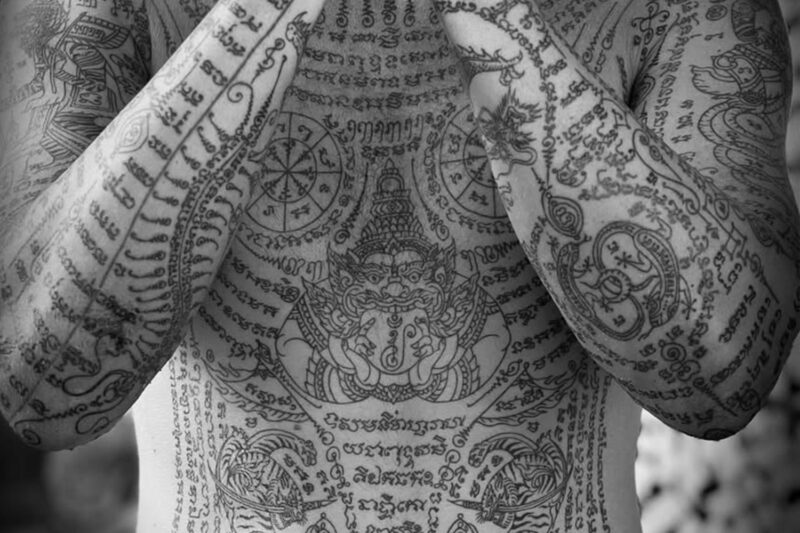
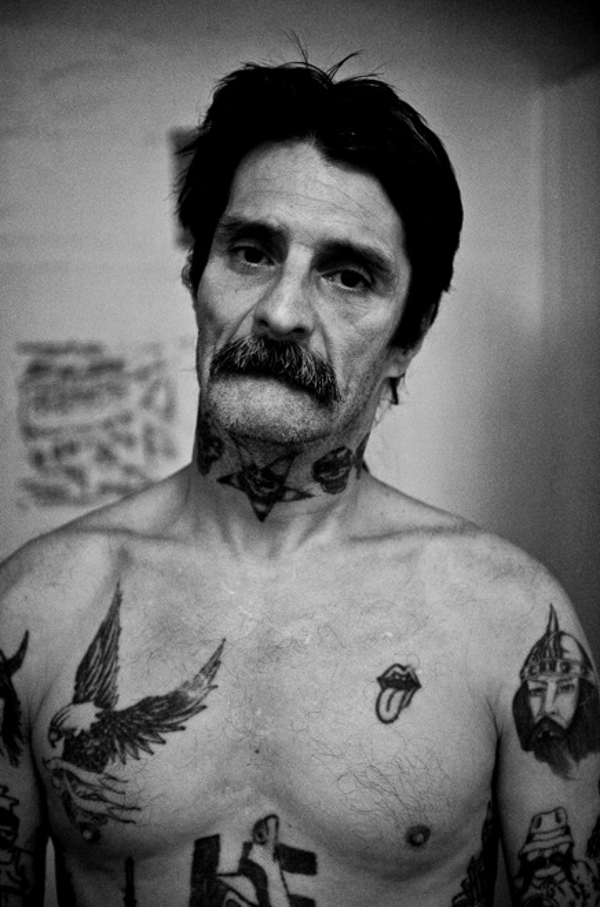
Russian criminal tattoos are distinguished from all other prison tattoo traditions by their systematic quality. The tattoos form a coded language — a visual system in which specific images, placed on specific body parts, carry specific meanings that can be read by anyone who knows the code. The system encodes criminal rank, criminal specialisation, sentence history, attitude toward authority, and personal biography. A knowledgeable viewer can assess a Russian criminal’s entire career from his tattoos — how many sentences he has served, what crimes he has committed, what his position is within the criminal hierarchy, and whether he has been punished by his peers.
Hierarchy
The central concept is the vor v zakone — the “thief in law.” The vory v zakone are the elite of the Russian criminal world, a caste of professional criminals who live by a specific code (ponyatiya) that forbids collaboration with the state, requires loyalty to the criminal community, and governs behaviour within the prison and outside it. Membership is conferred through a ceremony, and the vor carries specific tattoos that announce his rank.
The vory system emerged in the 1930s. Up until World War II, any tattoo could denote a professional criminal in Russia (the only exception being tattoos on sailors). The system became more elaborate and more codified during and after the war, driven by a specific conflict: inmates who had volunteered to fight in the Soviet army were regarded as traitors by the vory — the thieves’ code forbade any collaboration with the state, and fighting for the state was the ultimate collaboration. The returning soldier-prisoners were called suki (“bitches”), and the tensions between the vory and the suki produced a period of extreme violence in the camps. Tattoos became the primary means of identifying which side a prisoner belonged to, and the coding system became correspondingly complex.
Code
The major elements of the Russian criminal tattoo code, as documented by Danzig Baldaev and by Alexei Plutser-Sarno, include:
Stars — eight-pointed stars tattooed on the chest (below the collarbones) or on the knees indicate a vor v zakone or a high-ranking criminal. The stars on the knees carry the specific meaning “I kneel before no one” — a declaration of defiance toward authority.
Cathedral/church domes — the number of domes on a tattooed church indicates the number of prison sentences served. A church with five domes means five sentences.
Eyes on the chest — eyes tattooed on the chest or the stomach indicate that the wearer is watching — a declaration of vigilance and authority.
Cats — a cat tattooed on the chest symbolises a criminal of established authority — a “thief.” Cats on other body parts connote luck and caution. The cat is also the symbol of professional burglars and pickpockets.
Skulls — a skull indicates a murderer.
Barbed wire — tattooed across the forehead, barbed wire indicates a sentence served without the possibility of parole.
Rings — tattoos on the fingers that mimic the settings of rings encode specific information: criminal specialisation, sentence history, and status within the hierarchy. A diamond shape indicates a vor; a cross indicates a career spent in prisons; other designs carry other meanings.
Epaulettes — shoulder tattoos mimicking military epaulettes indicate high rank within the criminal hierarchy — the equivalent of a general’s insignia.
Madonna and child — a common religious motif among Russian criminals, carrying the meaning “prison is my home” — the Madonna represents the prison that gave birth to the criminal identity.
Beetles, spiders, ants, bees — these insects identify pickpockets.
Daisies — denote gang membership. The number of petals on the daisy designates the number of years in the gang.
Anti-authority symbols — Lenin and Stalin tattooed on the chest (in the belief that firing squads would not shoot at images of the state’s founders), political cartoons mocking the Soviet system, and text declaring defiance of the state.
Forced and punitive tattoos
One of the most distinctive and disturbing features of the Russian system is the use of tattoos as punishment. Prisoners who violate the thieves’ code — informants (stukachi), debtors, those who have betrayed the community — are tattooed by force with marks that identify them as degraded (opushennyy). These marks can include sexual imagery, demonic figures, or specific symbols that identify the wearer as an outcast. The forced prison tattoo is a permanent brand that follows the wearer through every future incarceration, announcing their status to every cellmate for the rest of their life.
Equally, wearing a tattoo that one has not earned — tattooing stars on one’s chest without holding the corresponding rank, for example — is a serious offence within the criminal code. The punishment for wearing an unearned tattoo is the forcible removal of the tattoo (by cutting, burning, or sandpaper) or the application of punitive tattoos.
The documentation
The Russian criminal tattoo system is documented with unusual thoroughness, thanks primarily to one man: Danzig Baldaev (1925–2005).
Baldaev was a prison guard of Buryat descent whose father — an academic and ethnologist — was himself imprisoned under Soviet rule as an “enemy of the people.” His father’s words to him:
“My son, collect the tattoos, the convicts’ customs, their anti-social drawings, or it will all go to the grave with them.”
The father taught Baldaev the methodology for documenting prison folklore and how to encode the material — essential precautions for what was a dangerous undertaking within the Soviet prison system.
Baldaev began documenting tattoos in 1948 at Kresty Prison in Leningrad (now St. Petersburg) and continued for over thirty years, producing drawings and notes on more than 3,000 individual tattoos. His collection was published by FUEL Publishing in London as the Russian Criminal Tattoo Encyclopaedia — three volumes (2004, 2006, 2008), with photographs by Sergei Vasiliev, an introduction by Anne Applebaum (the Pulitzer Prize-winning historian of the Gulag), and analysis by Alexei Plutser-Sarno. The volumes are the definitive reference on the Russian criminal tattoo system and one of the most extraordinary ethnographic documents in tattoo history. David Cronenberg used the Encyclopaedia extensively during the production of his 2007 film Eastern Promises, which depicts the Russian criminal tattoo tradition.
The United Kingdom and Ireland
British and Irish prison tattooing has its own iconographic traditions, though less systematically codified than the Russian or American systems.
ACAB — “All Cops Are Bastards” — four letters tattooed across the knuckles, one per finger. One of the most recognisable British prison tattoos.
The Borstal dot — a single dot tattooed below the eye, indicating time served in a Borstal (a juvenile detention institution, abolished in 1982). The dot has become rarer since the abolition of the Borstal system but remains recognisable.
The Borstal glove — the outline of the back of the hand, traced and filled with Indian ink. Associated with the Borstal system.
The spider web — tattooed on the elbow, symbolising time served. The web’s association with being “caught” and with the passage of time (the spider waits) makes it one of the most widely understood prison symbols internationally — used in the UK, the US, and other countries.
The five dots (quincunx) — four dots arranged in a square with a fifth dot in the centre — represent the prisoner (the centre dot) surrounded by the four walls of the cell. Used across multiple countries, including the UK, France, and the United States.
Latin America
Prison tattooing in Mexico, Central America, and South America is connected to gang culture, and the visual conventions are distinct.
MS-13 (Mara Salvatrucha) — members of MS-13 are among the most heavily tattooed gang members in the world. Full-face and full-body tattooing — with “MS,” “13,” “Salvatrucha,” devil horns, and elaborate script covering the face, neck, hands, and torso — is a declaration of total commitment to the gang and a permanent severance from mainstream society. The visibility of the tattoos is the point: a fully tattooed face cannot be hidden, and the wearer has made an irreversible choice.
Barrio 18 (18th Street Gang) — the rival of MS-13, identified by the number 18, often tattooed prominently on the face or body.
Santa Muerte. The folk saint of death — a skeletal female figure carrying a scythe — is tattooed by inmates across Mexico and Central America as a symbol of protection, justice, and acceptance of mortality. Santa Muerte is not recognised by the Catholic Church but is venerated by millions, particularly among people living in dangerous circumstances.
Religious imagery — praying hands, crosses, rosaries, the Virgin of Guadalupe, and Christ figures — is common in Latin American prison tattooing, carrying meanings of faith, repentance, and a request for divine protection.
Japan
The relationship between tattooing and the Japanese prison system is distinctive. The irezumi kei — the punitive tattoo system of the Edo period (1720–1870, covered in the Japanese traditional tattooing article on this site) — is the historical root of the association between tattoos and criminality in Japan. Convicted criminals were tattooed with marks indicating the nature and location of their offence. Some criminals commissioned decorative tattoos to cover the punitive marks — one of the earliest documented forms of tattoo cover-up.
In modern Japan, the association between irezumi and the yakuza (organised crime) continues the link between tattooing and the criminal world, though the full-body irezumi of the yakuza is a professional art form produced by master horishi rather than improvised prison tattoo work.
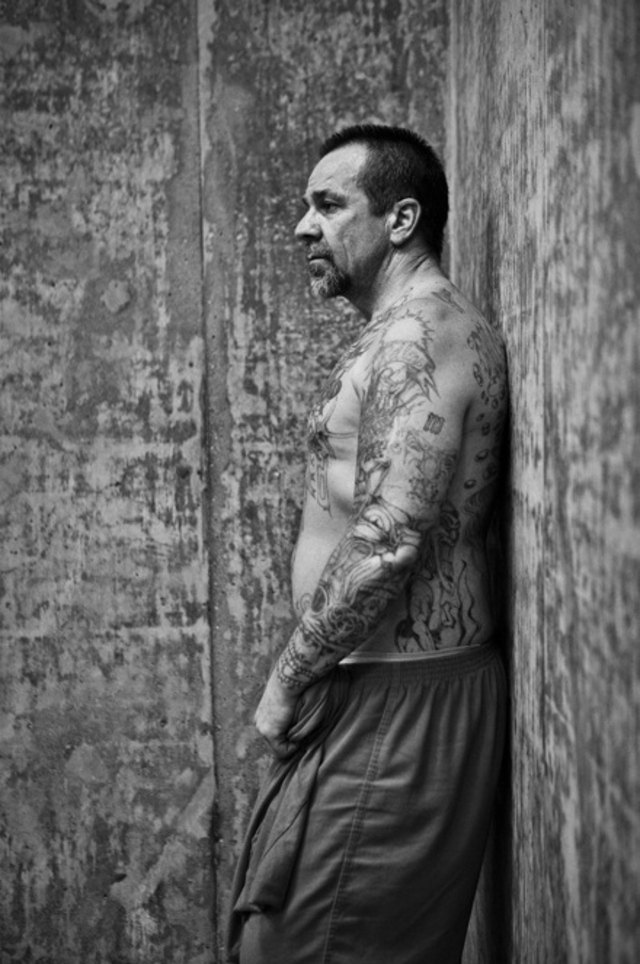
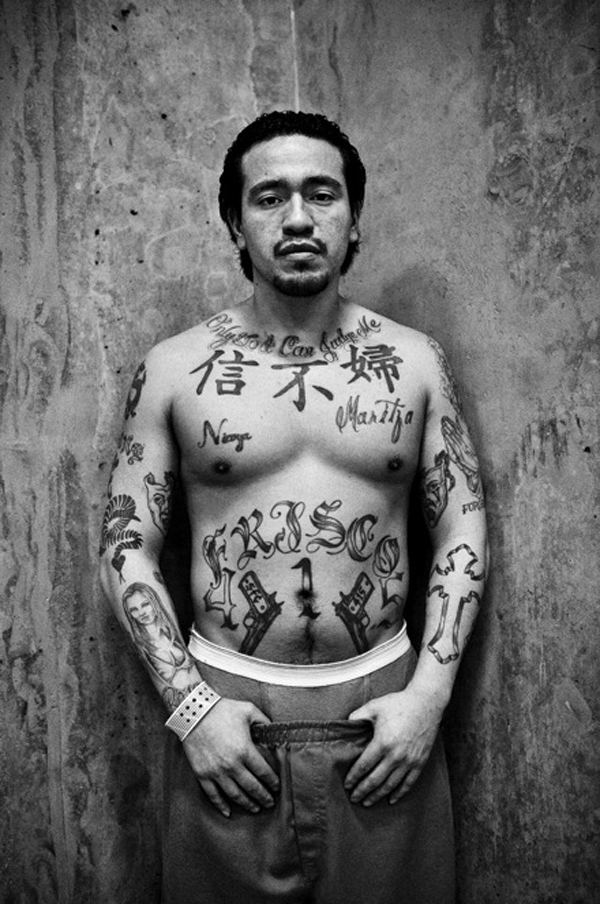
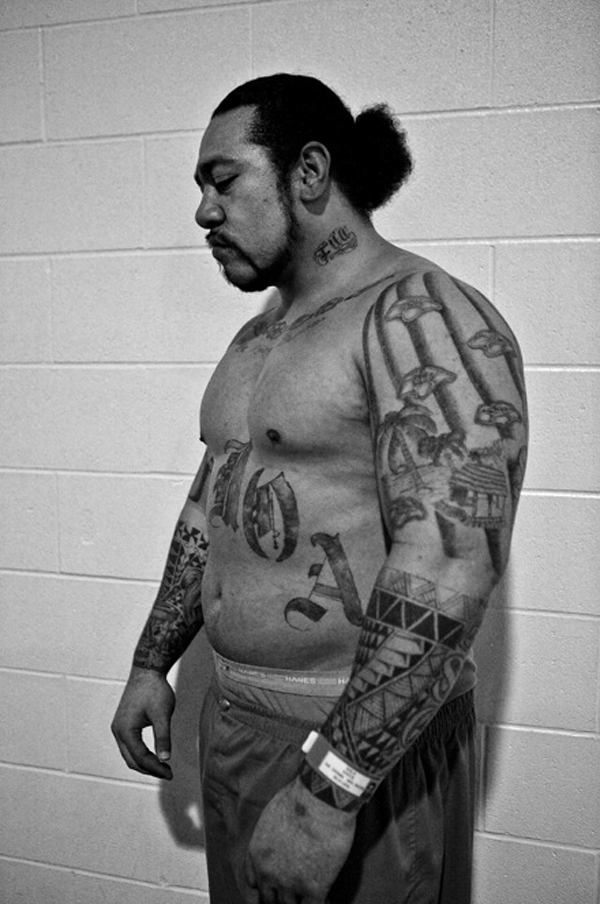
What prison tattoos mean socially
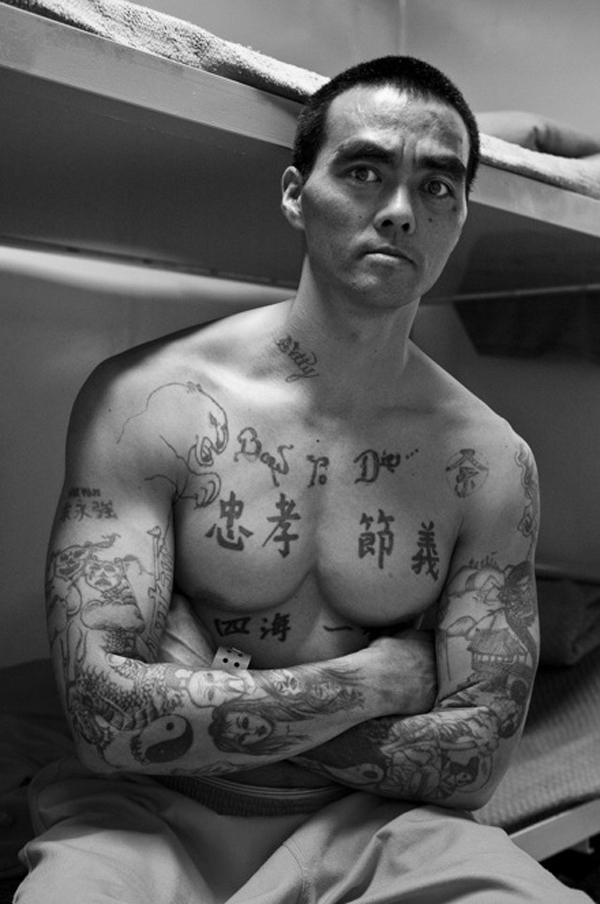
Identity. In an environment that strips individuals of their possessions, their clothing, their names (replaced with numbers), and their autonomy, a prison tattoo is something that cannot be confiscated. The warrior’s statement about moko — “of your moko, you cannot be deprived, except by death” — applies with particular force to the prison context, where deprivation is the defining condition of life.
Communication. Prison tattoos communicate information to other inmates — gang affiliation, criminal history, willingness to use violence, sexual orientation, religious identity, and position within the hierarchy. The tattoos function as a language readable by the population and (partially) by corrections officers. The communication can be protective (signalling that the wearer is affiliated and therefore not to be targeted) or aggressive (signalling that the wearer is dangerous).
Hierarchy. In systems with coded tattoo vocabularies — the Russian vory system, the American gang identification system, the Central American mara system — the tattoos mark rank and status within the criminal hierarchy. The tattoo is a credential: it declares what the wearer has done, what position they hold, and what authority they carry.
Belonging. For inmates who are gang-affiliated, the gang tattoo is a mark of membership — permanent, irreversible, and binding. The tattoo declares that the wearer has chosen a side, and the choice cannot be undone. This permanence is part of the function: the inability to remove the mark is what gives it its force as a declaration of loyalty.
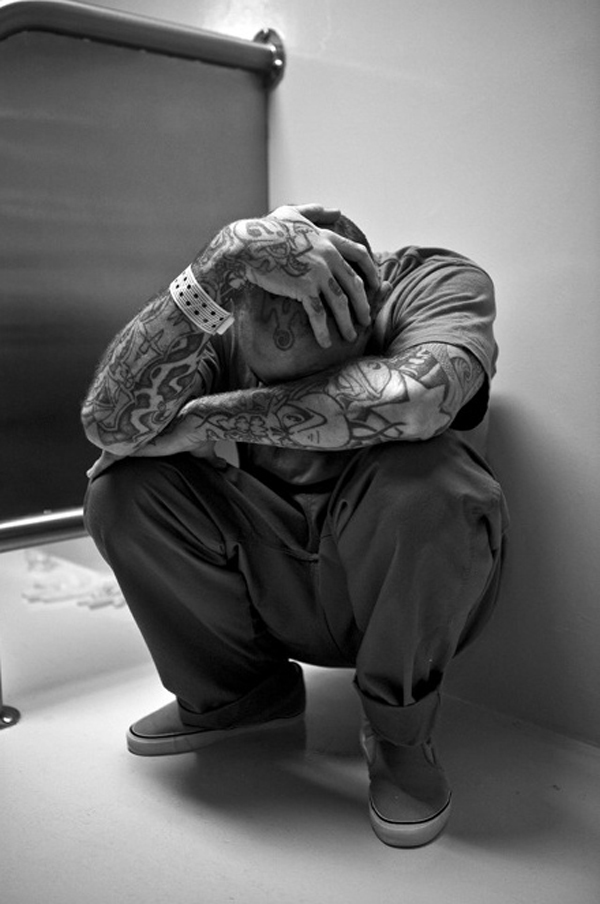
Personal narrative. Many prison tattoos are personal rather than organisational — memorial tattoos for dead friends and family members, portraits of children, names of partners, religious imagery chosen for private spiritual reasons, dates, places, and symbols that carry meaning only for the wearer. These tattoos serve the same function as personal tattoos on the outside: they record the wearer’s life and the people and events that matter to them.
Resistance. The act of tattooing in prison is, inherently, an act of defiance — it violates institutional rules, it requires the concealment of contraband, and it asserts the inmate’s capacity to make choices about their own body in an environment designed to eliminate choice. The Russian tradition of anti-authority tattoos — political cartoons, mocking slogans, images designed to provoke the state — makes this function explicit, but it is present in every prison tattoo tradition: the tattoo says “I did this, and you could not stop me.”
Health risks
Bloodborne pathogens. Sharing needles and machines between inmates — which is common, because the supply of equipment is limited — carries the risk of transmitting hepatitis B, hepatitis C, and HIV. The risk is real and well-documented. Studies of prison populations consistently show higher rates of hepatitis C among tattooed inmates than among non-tattooed inmates.
Bacterial infection. Tattooing with unsterilised needles in unsterile conditions introduces bacteria into the skin. Infections ranging from localised cellulitis to systemic sepsis have been documented. MRSA (methicillin-resistant Staphylococcus aureus), which is prevalent in many prison populations, is a particular concern.
Toxic ink. Ink made from melted plastic, burned Styrofoam, or other non-standard materials can contain compounds that are toxic when injected into the skin. The long-term health effects of these compounds are not well studied, but the acute risks include allergic reaction, chemical irritation, and the deposition of toxic substances in the dermis and lymphatic system.
Scarring. Improvised needles that are too thick, too dull, or driven too deeply produce scarring — raised, thickened tissue at the tattoo site that is visible and sometimes painful.
Limited aftercare. The conditions of incarceration — shared cells, limited hygiene supplies, restricted access to medical care — make proper aftercare difficult or impossible. Infections that would be treated quickly on the outside may go untreated in prison.
The legacy of prison tattooing
The Chicano single-needle black-and-grey technique — the most important technical innovation in American tattooing since the invention of the electric machine — was developed in the California prison system. The entire lineage that runs from the prison system through Good Time Charlie’s, through Tattooland, through Mahoney‘s Shamrock Social Club, through Dr. Woo‘s Hideaway — the most commercially visible lineage in contemporary American tattooing — begins behind bars.
The Russian criminal tattoo system — documented by Baldaev and published by FUEL — has influenced visual culture well beyond the prison world, informing the aesthetics of films (such as Eastern Promises), fashion, and fine art. The Encyclopaedia volumes are collected by artists, designers, and cultural historians.
The improvised machines built by inmates are, in their own way, an engineering tradition — a form of vernacular technology that solves a real problem (how to build a functioning rotary device from the contents of a prison cell) with ingenuity and resourcefulness.
The subject matter and iconography of prison tattooing — religious imagery, memorial portraits, calligraphic lettering, gang symbols, and the visual language of loyalty, loss, and defiance — have permeated the broader tattoo culture, particularly in the United States and Latin America. The visual vocabulary of the barrio — which is inseparable from the visual vocabulary of the prison — is now one of the most recognisable aesthetic traditions in global tattooing.
Sources & further reading
- Danzig Baldaev, Russian Criminal Tattoo Encyclopaedia. Three volumes, FUEL Publishing, London, 2004, 2006, 2008.
- American Prison Tattoos by Robert Gumpert. Official website: robertgumpert.com
- Russian criminal tattoos and Prison tattooing on Wikipedia, The Free Encyclopedia.
- The Nation, The Tattoo Archipelago. Published June 2015.
- The Marshall Project, The Underground Art of Prison Tattoos. Published June 2019.
- Skemman / University of Iceland, Symbolism in Russian Criminal Tattoos.
- Aaron Delgado & Associates, Inside Jail Tattoos: What They Mean in Prison Culture. Published 2025.
- Cardinal Guzman, The History of Tattoo — Part 4: Biker, Chicano and Prison Tattoos. Published January 2016.
- Freddy Negrete with Steve Jones, Smile Now, Cry Later: Guns, Gangs, and Tattoos — My Life in Black and Gray. Seven Stories Press, 2016.
- Margo DeMello, Bodies of Inscription: A Cultural History of the Modern Tattoo Community. Duke University Press, 2000.
- Anna Felicity Friedman, The World Atlas of Tattoo. Yale University Press, 2015.
- Matt Lodder, Painted People: Humanity in 21 Tattoos. Harper, 2024.